How to Choose the Ideal General Contractor for Your Upcoming Home Project
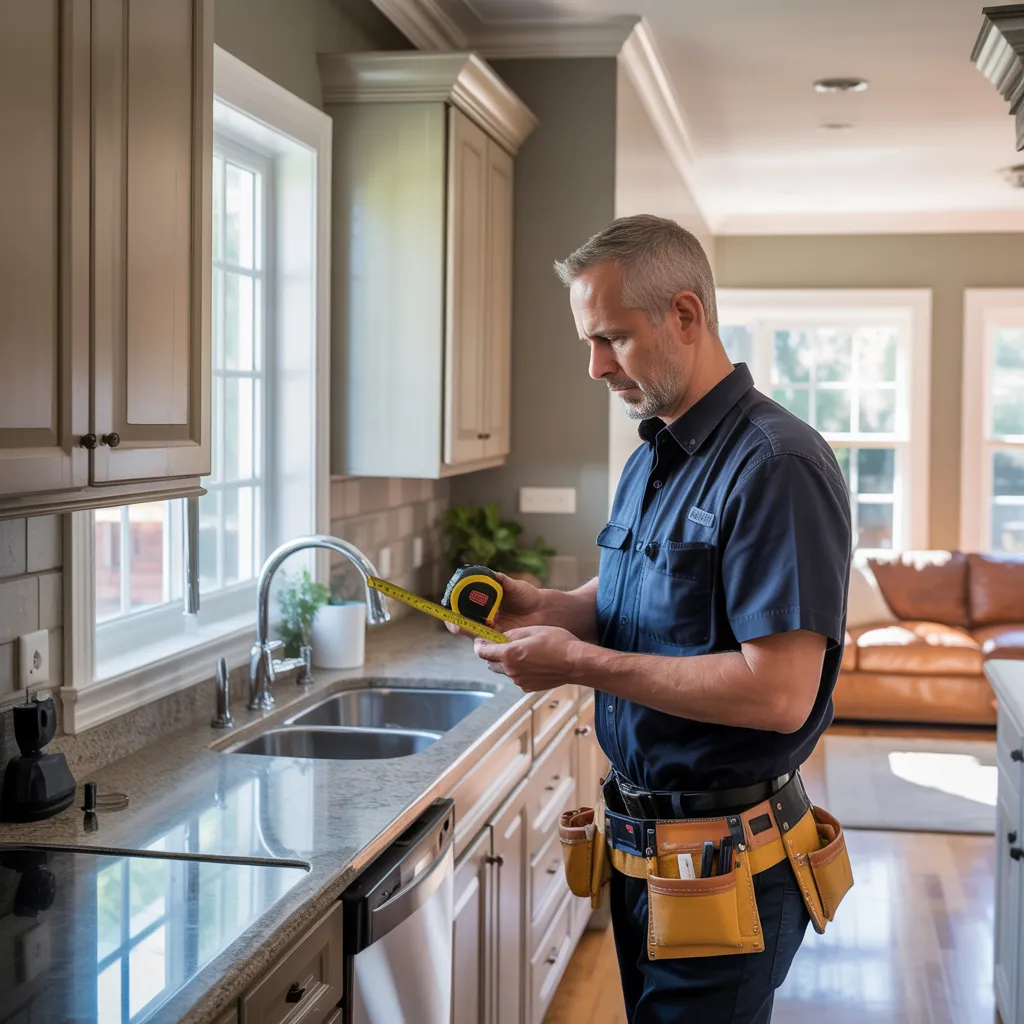
Finding the best general contractor for your home assignment is a vital choice. It requires careful evaluation of numerous factors, such as expertise, credentials, and ability to communicate. Plenty of property dwellers miss important points, producing costly mistakes. Knowing how to evaluate potential professionals can provide a major difference. By emphasizing essential benchmarks and asking the correct questions, one can navigate this challenging process more effectively. What are the vital steps to guarantee a fruitful working relationship?
Methods for Avoiding Common Pitfalls When Hiring a Builder
When hiring a general contractor, how does one navigate the myriad of choices without getting caught in usual mistakes? Prospective clients often fail to notice important elements that can lead to unsatisfactory outcomes. First, relying solely on price can be confusing; the lowest bid may represent inferior quality or additional fees. Additionally, failing to verify references or internet reviews can result in employing a contractor with negative reviews. It is also essential to not decide solely on personality; a personable contractor may essential guide not demonstrate the needed qualifications or consistency. Moreover, missing defined exchanges and requirements can lead to errors and displeasure. Finally, omitting thorough contract evaluation before signing can result in unexpected obligations or lack of protection. By being careful and knowledgeable, homeowners can make more confident decisions, ultimately bringing about a positive completion.
Essential Points to Review in a Contractor's Experience
When reviewing a contractor's experience, multiple important elements prove important. Relevant project experience, industry certifications, and an extensive portfolio of completed work serve as essential markers of their capabilities. Analyzing these elements can deliver useful understanding into the contractor's appropriateness for the particular job at hand.
Related Initiative Experience
Recognizing a contractor's applicable work history is essential for guaranteeing the positive outcome of any building project. Prospective clients should evaluate the contractor's body of work, focusing on completed projects comparable in size and design to their own. This entails examining the quality of workmanship, adherence to timelines, and budget management in past projects. Additionally, it is beneficial to inquire about the types of materials used and the contractor's knowledge of local building codes and standards. Testimonials and references from past clients can provide insights into the contractor's dependability and communication skills. In the end, a contractor with substantial relevant experience can navigate challenges successfully, ensuring the project satisfies the homeowner's requirements and benchmarks.
Professional Qualifications And Licenses
Certification and licensing serve as key indicators of a contractor's competence and expertise in the construction sector. When hiring a general contractor, it is essential to confirm they have the necessary licenses dictated by local and state regulations. These licenses demonstrate compliance with building codes and safety standards. Additionally, industry certifications, such as those offered by the National Association of Home Builders or other comparable organizations, show a contractor's commitment to excellence and continuing education. Contractors holding specialized certifications may also possess skills in defined areas, like green building or remodeling. Ensuring a contractor has the correct credentials not only improves confidence in their skills but also minimizes potential legal and financial risks during the project.
Showcase Of Completed Work
The builder's portfolio of finished projects acts as a crucial instrument for assessing their capabilities and background. This collection should display a variety of works, revealing varied skills in distinct styles and degrees of challenge. When reviewing a portfolio, prospective customers must seek professional photos that show the workmanship involved. It is also beneficial to see works that fit the homeowner's particular requirements or visual inclinations. Meticulousness, new methods, and timely completion are key signs of a contractor’s expertise. Furthermore, customer reviews or case studies included in the portfolio provide deeper insights into the contractor's commitment and trustworthiness. Finally, a solid portfolio assists homeowners to select carefully regarding their pending assignments.
Steps to authenticate Your Contractor's Credentials and Licenses
Before appointing a general contractor, it is critical to corroborate their qualifications and certifications to guarantee they satisfy industry standards. Start by consulting state regulatory boards to verify that the contractor maintains the required licenses for your region and job category. Each state prescribes its own requirements, so grasping them can prevent downstream complications.
Furthermore, ask regarding insurance coverage, such as liability and workers' compensation, to ensure protection against potential accidents or damages. Request references from previous clients and check in to gauge satisfaction and reliability.
Lastly, assess any qualifications the contractor may obtain, as these often show specialized training and commitment to industry best practices. A thorough verification process not only ensures adherence but also builds confidence in the contractor's ability to execute the project successfully.
Why Strong Communication Is Important in Your Contractor Working Relationship
Effective interaction plays a vital role in the contractor-client relationship, determining the project's success from the beginning. Clear discussion sets expectations, timelines, and budgets, guaranteeing both parties are in agreement on the project's goals. When clients articulate their vision effectively, contractors can provide informed recommendations and solutions, boosting the overall outcome.
Frequent check-ins and accessible communication pathways facilitate speedy resolution of issues as they arise, limiting potential delays. Additionally, a contractor who listens and responds client feedback develops trust, which is essential for collaboration.
Furthermore, robust dialogue supports in handling changes and unexpected challenges, maintaining the project on path. It allows the contractor to adjust approaches based on client feedback, guaranteeing satisfaction throughout the process. In the end, prioritizing dialogue not only strengthens the contractor-client relationship but also greatly contributes to the successful finishing of the home project.
Fundamental Points to Put Forward to Your Service Provider in Initial Meetings
At the start of meetings with a contractor, clients should concentrate on comprehending their experience and qualifications. It's necessary to explore the project timeline and budget to guarantee harmony with the client's expectations. These questions provide a basis for a thriving collaboration and effective project management.
Professional History and Skills
Selecting a contractor copyrights on understanding their experience and qualifications. Homeowners should investigate the contractor's industry experience and the types of projects they have completed. Detailed inquiries regarding permits, certifications, and coverage are crucial, as these ensure compliance with local regulations and provide protection during the project. Additionally, reviewing past work through showcases or references can give a glimpse of the contractor's skill and dependability. It is also beneficial to ask about their familiarity with similar projects, as this can indicate their capability to handle specific obstacles. Ultimately, evaluating a contractor's credentials and background fosters confidence and helps homeowners make informed decisions about their home projects.
Project Timetable and Budget
How might property owners confirm their project remains on schedule budgetwise and timeline-wise when meeting with a general contractor? To preserve alignment, they should ask important questions during first consultations. Homeowners must inquire about the estimated timeline for project completion and any potential delays that could emerge. Comprehending the contractor's approach to schedule management is essential. Also, addressing the budget early on is important; homeowners should obtain clarification on pricing quotes, payment schedules, and any included contingencies for unforeseen expenses. Learning about previous projects can offer understanding into the contractor's reliability in meeting deadlines and staying within budget. By fostering transparent communication regarding timelines and finances, homeowners can build a productive relationship with their contractor, improving the prospects of a successful project.
Tips for Checking References and Examining Reviews
What steps should one undertake to confirm a general contractor is reliable? First, it is important to request a list of references from potential contractors. A reputable contractor will readily give names and contact information of previous clients. One should call these references to inquire about their experiences, emphasizing aspects such as communication, quality of work, and adherence to timelines.
Also, studying online appraisals on platforms like Google, Yelp, or Angie's List can provide significant knowledge. It is imperative to identify regularities in the reviews—persistent praise or criticism can signify trustworthiness or potential complications.
Furthermore, reviewing any complaints lodged with local licensing boards or consumer protection agencies can show a contractor's record. Finally, requesting recent portfolio images can help determine the standard of their work. By taking these steps, one can make a more informed decision when appointing a general contractor.
Understanding Contractor Pricing and Billing Conditions
Property owners ought to get familiar with common payment terms. Most contractors insist on a deposit in advance, accompanied by progress payments contingent on project milestones. It's paramount to negotiate these terms before approving a contract to prevent misunderstandings. Additionally, homeowners should verify potential hidden expenses, such as permits or unforeseen maintenance. Clear dialogue regarding pricing and financial terms will help establish a candid working relationship, thereby creating a thriving project outcome. Absorbing these elements enables homeowners to make sound choices when hiring a general contractor.
Common Requested Questions
What Is the Timeline for Finishing the Project?
The project timeline typically varies depending on complexity and scope. Generally, it may take several weeks to months. Elements including weather, availability of materials, and workforce availability can significantly impact the completion timeline.
What Takes Place if Unexpected Issues Emerge During Building?
If unforeseen issues arise during the building, the contractor usually assesses the situation, communicates with the property owner, and proposes options. Modifications to the timeline and budget may be needed, ensuring transparency throughout the process.
Do I Require Approvals or Evaluations for My Undertaking?
Most undertakings need permits along with inspections to guarantee compliance with local construction regulations. It is crucial to speak with a general contractor who understands these specifications, as they can manage the permitting process effectively.
How Do You Manage Subcontractors and Their Payments?
A respected general contractor administers subcontractors by formulating well-defined agreements describing payment terms. They warrant timely payments, foster open communication, and monitor subcontractor achievements, developing a collaborative environment that facilitates project achievement and optimization.
What Policy Do You Have Regarding Project Changes or System Enhancements?
The contractor employs a flexible approach to project changes, insisting on written documentation for any upgrades. They guarantee open dialogue, assess cost implications, and adjust timelines accordingly to accommodate the client's evolving needs and preferences.